Can hormones cause anxiety? Short answer: Yes. Understanding the connection between your hormones and anxiety can help you better support your mind and body with the care they deserve.
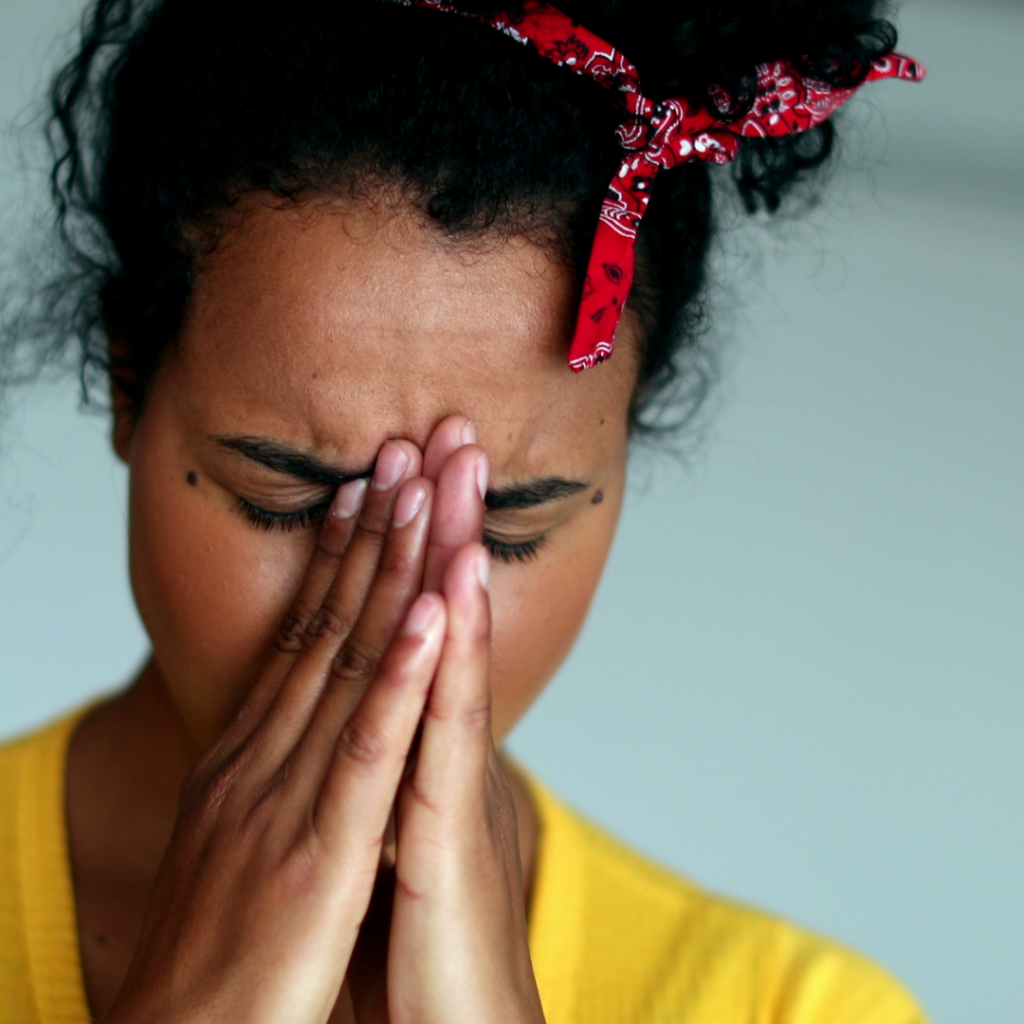
If your anxiety symptoms seem to come out of nowhere, hormones could be the reason. They impact our brain chemistry. So our physical and mental health can take a hit when they’re out of balance.
This article explores the link between hormones and anxiety, signs to look for, and how to get the help you need.
Can hormones cause anxiety?
Hormonal changes can trigger or contribute to anxiety. Whether it’s a monthly shift in estrogen levels or a thyroid disorder, hormonal imbalances can lead to racing thoughts, irritability, and chronic worry in women.
What is hormonal anxiety?
Hormone-related anxiety is when symptoms come from or are worsened by fluctuations in your hormones 1.
Hormones are chemical messengers that regulate nearly every function in the body, including mood, sleep, and metabolism. Levels rise and fall naturally. However, certain life phases, habits, medical conditions, and medications can make those shifts more extreme or long-term.
For example, you may feel heightened anxiety before or after your period, if you have low blood sugar, or if you take certain types of birth control. In many cases, these symptoms can be intense and disrupt daily life.
Which hormones can cause anxiety?
There isn’t a single “anxiety hormone.” Several hormones can cause or intensify anxiety symptoms. Here are a few to keep in mind.
- Estrogen and progesterone: Sharp changes in these reproductive hormones—especially during menstruation or postpartum—can lead to mood swings, irritability, and anxious thoughts 2,3.
- Testosterone: Low testosterone in women can contribute to fatigue, mood swings, and difficulty handling stress 4.
- Cortisol and adrenaline: These stress hormones, when chronically elevated, can have you feeling jittery, on edge, or in constant “fight or flight” mode 5.
- Oxytocin: Higher than average levels have been associated with anxiety disorders 6. However, scientists are still researching the effects of oxytocin on our mood.
- Thyroid hormones: The thyroid regulates metabolism and energy. When overactive (hyperthyroidism), you may experience symptoms like a rapid heart rate and trouble sleeping 7.
Hormonal imbalances that may cause anxiety
Certain health conditions associated with an imbalance in hormones are known to lead to or contribute to anxiety.
- Hyperthyroidism: An overactive thyroid speeds up the body’s processes, which can cause nervousness, irritability, rapid heartbeat, and restlessness.
- Cushing’s syndrome: This rare condition leads to high cortisol levels, which often causes mood changes, anxiety, fatigue, and insomnia 8.
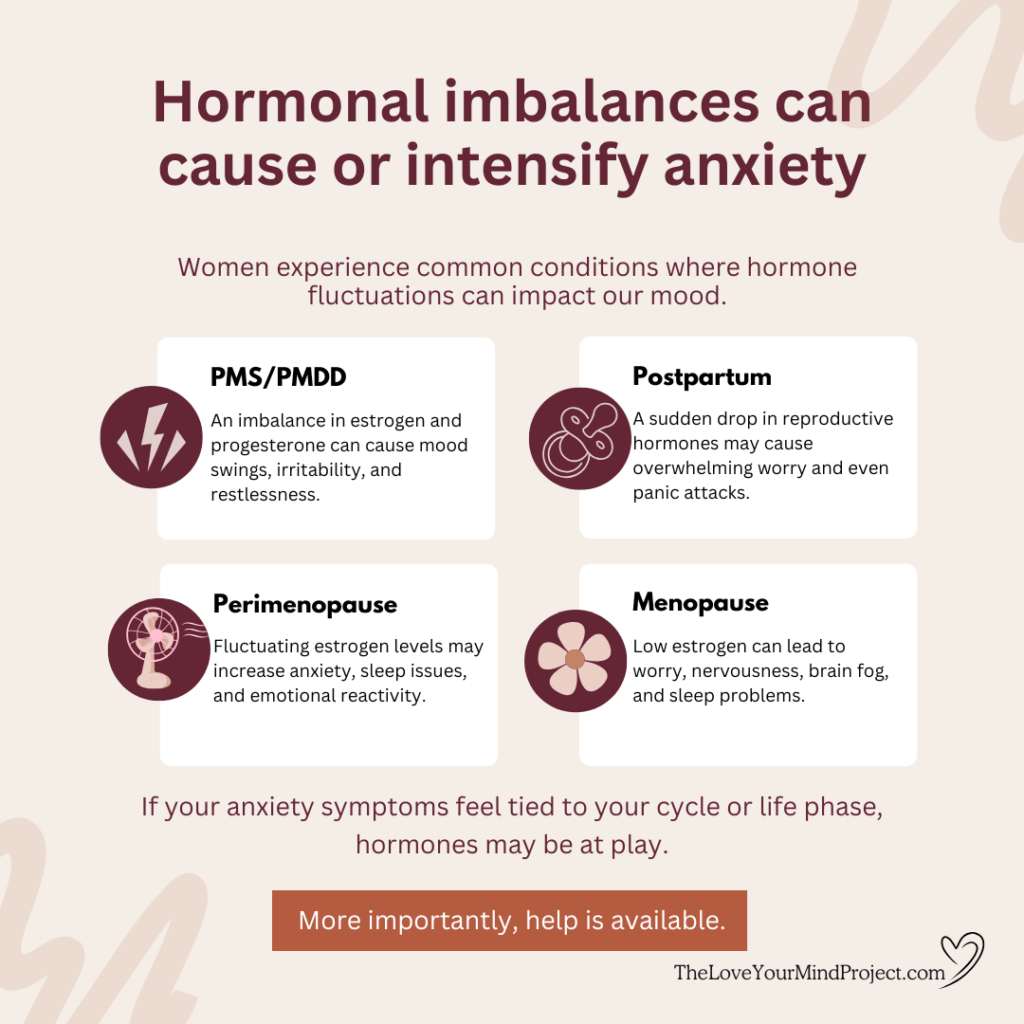
- Perimenopause: It’s common to experience anxiety, trouble sleeping, and mood swings as estrogen and progesterone levels fluctuate during perimenopause.
- Menopause: Estrogen levels drop in menopause. You may experience new or worsening anxiety.
- PMS and PMDD: Premenstrual syndrome (PMS) and the more severe premenstrual dysphoric disorder (PMDD) can cause anxiety symptoms, especially before menstruation.
- Postpartum anxiety: Hormonal crashes after giving birth can lead to overwhelming worry and even panic attacks 9.
Anxiety due to hormones can look a lot like general anxiety. Look for these common signs and symptoms 10,11.
Psychological symptoms
When your anxiety symptoms are linked to hormones, you may feel on edge or constantly expect the worst-case scenario. Some of your symptoms could include:
- Excessive worry or ruminating thoughts.
- Feeling hyper-alert or like something bad is about to happen.
- Mood swings or irritability.
- Restlessness.
- Difficulty concentrating or focusing.
Physical symptoms
Our bodies can respond to hormone-related anxiety in many ways, like through muscle pain, digestive issues, and an accelerated heart rate. You may experience:
- Trouble falling or staying asleep.
- Muscle tension or body aches.
- Rapid or irregular heartbeat.
- Chronic fatigue.
- Stomach issues, like nausea, constipation, or diarrhea.
How to treat anxiety caused by hormones
If anxiety makes it hard to function or feel like yourself, treatment can help. Work with your doctor to explore options that fit your needs.
Hormone testing
Your doctor may order blood work to check your thyroid, reproductive hormones, or cortisol levels.
You can also purchase at-home blood tests from companies like Everlywell, LetsGetChecked, and Quest. Follow the instructions to take the sample and mail it back. Discuss the results with your doctor, especially before making any changes to your medications or supplements.
Anti-anxiety medication
Selective serotonin reuptake inhibitors (SSRIs) are one of the most commonly prescribed medications for anxiety. They increase serotonin in the brain, which can improve mood and focus.
Hormone replacement therapy (HRT) may be another option, primarily for women in menopause. It helps restore hormone balance and may ease anxiety symptoms 12.
Please don’t start or stop medication without guidance from your doctor, who can help you understand and navigate side effects and drug interactions.
Nutrient-rich foods
The body uses nutrients from food to produce, release, and process hormones. A balanced diet can support hormonal health and manage anxiety symptoms.
- Lean proteins help our bodies produce hormones.
- Healthy fats in nuts, avocados, fatty fish, and oils promote hormone production and stabilize blood sugar.
- Foods rich in fiber, like fruits, vegetables, and whole grains, regulate our blood sugar and gut health—where many hormones are made.
Ultra-processed foods, too much sugar, and unhealthy fats can throw our hormone levels out of whack, so it’s best to limit these in our diet as much as we can.
Natural supplements
The following supplements can support hormone health and reduce anxiety 13.
- Omega-3 fatty acids and B vitamins are essential to hormone production and metabolism. They can also reduce inflammation, which can contribute to or worsen anxiety symptoms.
- Magnesium reduces stress hormones and balances our reproductive hormones (estrogen, progesterone, and testosterone) and thyroid hormones.
- Vitamin D regulates several hormones, including estrogen, progesterone, and insulin.
Before you stock up on vitamins, chat with your doctor to understand which supplements you need and how they may interact with current medications.
Regular exercise
Movement can reduce stress hormones and boost endorphins, the feel-good hormone.
A sedentary lifestyle, where we’re not moving much throughout the day, can impact hormone production and throw us off balance.
Even a quick activity like taking a few walk breaks can help. Gentle exercises like yoga (stretching) or light strength training can also help lower your stress and anxiety levels and boost physical health.
Quality rest
The brain is still at work while we sleep, processing information from the day and helping improve decision-making, problem-solving, and mood regulation 14.
A lack of rest can make it hard to process and handle difficult emotions. You may feel more irritable, nervous, and anxious simply because your brain couldn’t prepare for the day.
Aim for at least seven hours of sleep each night. And try your best to establish a consistent sleep routine to support your biological clock.
Talk therapy
Psychotherapy isn’t just about sharing and venting. A therapist can help you understand your triggers—those thoughts, beliefs, and experiences that can feed anxiety symptoms, in addition to your hormones.
Therapists are skill-builders, not just a listening ear. They can teach and guide you through tools that help you process anxious thoughts and emotions and support yourself throughout.
Look for therapists who specialize in hormone-related or general anxiety. Have one session to see if the two of you are a good fit. If not, search for another one.
De-stressing techniques
There are several ways to manage anxiety and stress whenever they strike.
Breathing exercises are a simple and convenient way to calm your mind and body in the moment. You can also journal, identifying and letting go of anxious thoughts so they don’t stay stuck in your mind.
When and where to get help for hormonal anxiety
It’s okay to seek help for anxiety, especially if your symptoms get in the way of your job, relationships, or your self-confidence. Your primary care doctor or OB/GYN is a great place to start. You can also connect with a licensed therapist or psychiatrist for help coping with some of the emotional challenges.
Just remember this: You deserve to feel better, and help is available.
Can hormones cause anxiety FAQs
How do I know if my anxiety is hormonal?
If you have anxiety symptoms that intensify during your cycle, menopause, or after childbirth, hormones might be involved. But don’t feel the need to diagnose it on your own. Your doctor can help confirm your symptoms and how to address them.
Can low estrogen cause anxiety?
Low estrogen often means low serotonin and dopamine—brain chemicals that help us feel happy, calm, and focused 15,16. So yes, you may feel intensified anxiety symptoms, like irritability, nervousness, and excessive worry, if you’re low on estrogen.
How do you treat hormonal anxiety?
The best way to treat hormone-related anxiety will depend on which hormones are imbalanced. Your options may include hormone replacement therapy, talk therapy, diet and lifestyle changes, or anxiety medication. Start with your doctor, especially before trying new supplements.
References
1 Johnson, K. (2021, August 30). Can Hormonal Imbalance Cause Anxiety? – North Valley Women’s Care. North Valley Women’s Care. https://northvalleywomenscare.com/can-hormonal-imbalance-cause-anxiety/
2 Borrow, A. P., & Handa, R. J. (2017). Estrogen Receptors Modulation of Anxiety-Like Behavior. Vitamins and Hormones, 27–52. https://doi.org/10.1016/bs.vh.2016.08.004
3 Smith, D. A. (2022, April 7). How anxiety is linked to your hormones. Neurvana Naturopathic Medicine. https://neurvanahealth.com/blog/how-anxiety-is-linked-to-your-hormones/
4 Clinic, C. (2023, June 6). Symptoms of Low Testosterone in Women (and Reasons Why It Might Be Low). Cleveland Clinic. https://health.clevelandclinic.org/low-testosterone-in-women
5 Chronic stress puts your health at risk. (2025). Mayo Clinic. https://www.mayoclinic.org/healthy-lifestyle/stress-management/in-depth/stress/art-20046037
6 Serum oxytocin levels in patients with depression, social anxiety disorder, generalized anxiety disorder, and panic disorder diagnosed according to DSM-5 criteria compared with healthy controls. (2016). Psychiatry-Psychopharmacology.com. https://psychiatry-psychopharmacology.com/en/serum-oxytocin-levels-in-patients-with-depression-social-anxiety-disorder-generalized-anxiety-disorder-and-panic-disorder-diagnosed-according-to-dsm-5-criteria-compared-with-healthy-controls-13143
7 S. Nevzorova. (2022). Anxiety in patients with hyperthyroidism. European Psychiatry, 65(S1), S186–S187. https://doi.org/10.1192/j.eurpsy.2022.491
8 and, D. (2025, May 5). Cushing’s Syndrome. National Institute of Diabetes and Digestive and Kidney Diseases; NIDDK – National Institute of Diabetes and Digestive and Kidney Diseases. https://www.niddk.nih.gov/health-information/endocrine-diseases/cushings-syndrome
9 Postpartum Anxiety: Causes, Symptoms, Diagnosis & Treatment. (2022, April 13). Cleveland Clinic. https://my.clevelandclinic.org/health/diseases/22693-postpartum-anxiety
10 Hormonal Imbalance: Causes, Symptoms & Treatment. (2023, August 21). Cleveland Clinic. https://my.clevelandclinic.org/health/diseases/22673-hormonal-imbalance
11 Anxiety Disorders: Causes, Symptoms, Treatment & Types. (2023, September 7). Cleveland Clinic. https://my.clevelandclinic.org/health/diseases/9536-anxiety-disorders
12 New Anxiety and Depression or Worsening anxiety and Depression. (2023). Dardurmedical.com. https://www.dardurmedical.com/hrt/new-anxiety-and-depression-or-worsening-anxiety-and-depression
13 Tia. (2025, January 20). The Role of Nutrition in Hormonal Balance. Ask Tia; Tia. https://asktia.com/article/the-role-of-nutrition-in-hormonal-balance/
14 Marketing and Communication. (2023, June 26). Why At Least 7 Hours of Sleep Is Essential for Brain Health. Neurology Department | U of U School of Medicine. https://medicine.utah.edu/neurology/news/2023/06/why-at-least-seven-hours-of-sleep-is-essential
15 Kim, D.-I., & Park, Y.-M. (2022). Effects of Menopause on Physical Activity and Dopamine Signaling in Women. Iranian Journal of Public Health. https://doi.org/10.18502/ijph.v51i10.11001
16 Can Menopause Cause Depression? (2024, June 20). Hopkinsmedicine.org. https://www.hopkinsmedicine.org/health/wellness-and-prevention/can-menopause-cause-depression

- How to be vulnerable in a relationship when opening up feels scary - September 17, 2026
- When only needing “me, myself, and I” leaves little room for love - September 11, 2026
- Everyone eventually leaves me: How fear of abandonment gets in the way of love - September 4, 2026