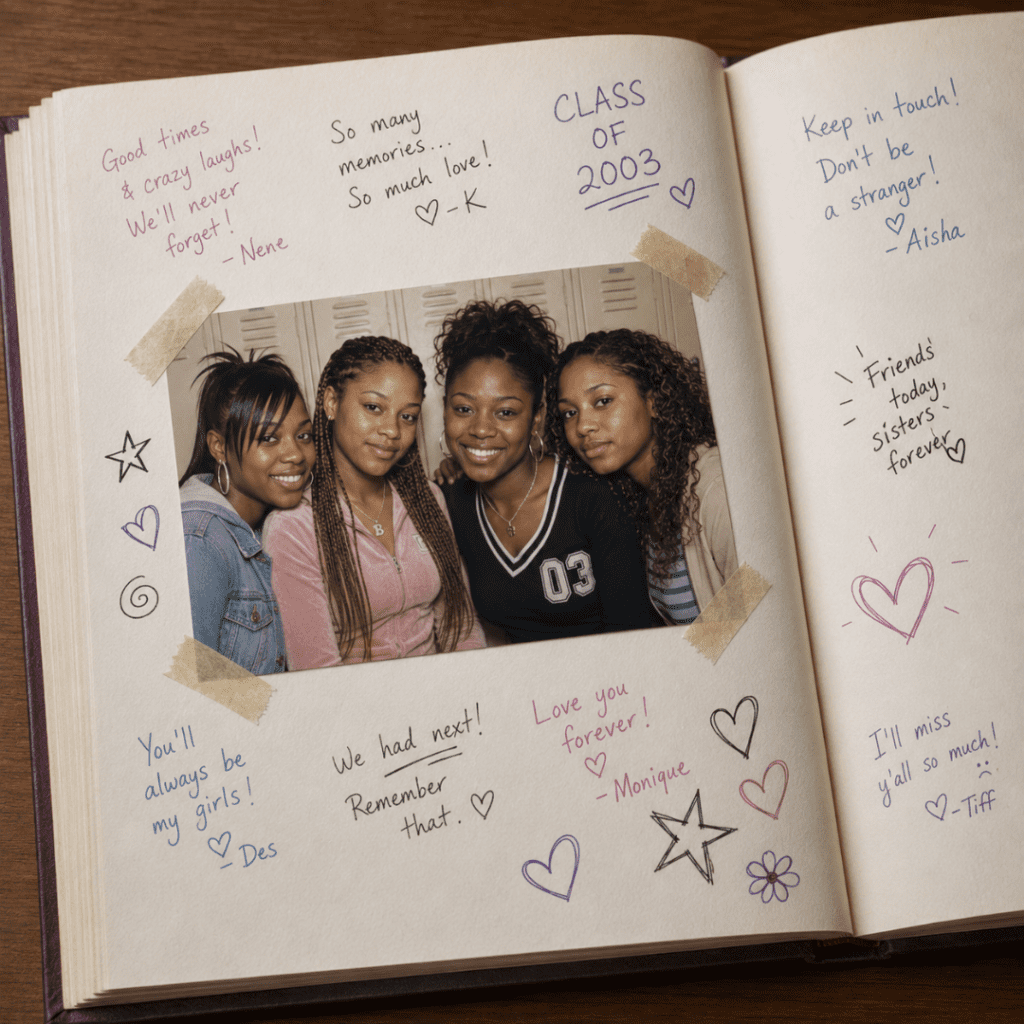
Maybe you thought you’d be best friends for life.
But lately the connection seems off—perhaps feeling a little distant, awkward, or even forced.
Not all friendships last forever. That doesn’t always mean the relationship itself ends, but the closeness you once shared is no longer there.
And honestly, it happens.
Outgrowing a friendship doesn’t always look like a dramatic fallout or an act of betrayal. It could come from personal growth in opposite directions that starts to shift the dynamic.
Here’s what it really means to outgrow a friendship, why it happens, and why you don’t have to fight it or feel ashamed.
What it means to outgrow a friendship
Outgrowing a friendship usually means the relationship no longer fits where you are emotionally, mentally, or personally.
It does not mean the relationship is unhealthy or toxic.
Even healthy friendships can be important for a season of your life. As that season changes, or you grow or mature, the dynamic can shift and feel “off.”
While some friendships you outgrow may fade naturally, they don’t all have to end. What’s most important is understanding how the connection is evolving and what may need to change to keep it healthy and mutually supportive.
Signs you’ve outgrown a friendship
You might notice you’re outgrowing a friendship through small but consistent shifts in how you experience the relationship.
Here are common signs to watch for:
- The friendship feels less natural and more forced.
- You feel like you have less to talk about or less in common.
- Your time together feels awkward or like an obligation.
- You avoid reaching out or dread your interactions.
- The friendship no longer feels emotionally fulfilling.
If any of these signs sound familiar, it doesn’t mean you’ve lost your friend forever. But it may be worth acknowledging that the relationship has changed, so it doesn’t become one-sided, resentful, or emotionally draining.
Why it happens (even when there’s no drama)
When a friendship has run its course, there’s not always a villain or major fallout. Sometimes people just change.
Here are a few reasons why you might be outgrowing a friendship.
You’re in different seasons of life: Significant changes like marriage, parenting, going back to school, or moving across the country may naturally reshape your friendships.1 You might gravitate toward people who more easily understand your life stage.
Your interests or values have shifted: Growth can change what you prioritize in your life and your relationships.1 A person becoming more interested in health, community, faith, or emotional wellness may struggle to connect with a friend whose lifestyle or priorities look very different now. Neither person is right or wrong, but it’s understandable that the dynamic would feel disjointed.
The friendship no longer feels supportive: Maybe your emotional needs have changed. You might crave friendships where you can exhale and be vulnerable without feeling criticized, dismissed, or misunderstood.
None of these signs is a reason to end a friendship. But they might explain why it feels more distant, strained, or out of sync.
Why it’s okay to outgrow a friendship
Realizing you’ve outgrown a friendship can stir up uncomfortable emotions, like guilt, sadness, or even grief. But that doesn’t mean you’ve done something wrong.
Sometimes you need to allow a friendship to evolve to make space for your own mental and emotional well-being.
It can reflect personal growth
Change can be a sign that you’re growing.
The way you think, what you value, and what you want from a friendship should evolve as you learn more about yourself and become more intentional about the life you want to build.
Growth sometimes changes relationships—and that can feel threatening.2 Some friends may even see it as rejection, wondering if they’ll be left behind, forgotten, or as important to you as they were in the past.
While this type of change can be uncomfortable, you still deserve the freedom to thrive. Staying stuck in patterns, environments, or dynamics that dampen your growth can also stifle your mental and emotional well-being.
It can help you live more authentically
Sometimes, forcing a friendship you’ve outgrown requires you to be a lesser version of yourself.
You might feel pressure to water down your personality, hide parts of your healing journey, or fake interest in things you’ve long moved on from.
But friendship shouldn’t require you to abandon your true self.
Outgrowing a friendship can be painful, but it can also feel freeing. You deserve relationships where you can show up fully and honestly—and where you don’t have to perform to maintain closeness.
It doesn’t mean the friendship was a waste of time
A friendship can be real, healthy, and meaningful—and still reach a point where it fades or doesn’t feel as close.
Just because the relationship looks different now doesn’t mean it never mattered.
It could have supported you in a season when you truly needed it. The joy, comfort, laughter, understanding, and companionship—those memories and experiences are real.
Acknowledging that you’ve outgrown a connection doesn’t erase the value it once held.
It doesn’t make either of you a bad person
You may have been taught to hold onto friendships no matter what.
So when a relationship changes, you might feel guilt or begin to question whether you’re being selfish, fake, or disloyal.
But recognizing that a friendship no longer fits where you are doesn’t make you cruel—it makes you honest.
You’re allowed to acknowledge when a dynamic has shifted. You can love and appreciate your friend, and still recognize that the friendship is no longer what it once was.
It creates space for more aligned connections
Holding tightly to friendships you’ve outgrown can leave less room for connections that meet you where you are.
That’s because forcing a connection, suppressing your needs or interests, or fighting to recreate a closeness that once was can be emotionally draining.
Instead, you can let go emotionally and accept that the friendship has changed. This release could leave you more receptive to building new relationships that feel balanced, safe, and aligned.
And don’t worry, this doesn’t mean friendships are disposable—but they can be seasonal and evolve as you do.
What to do when you feel you’re outgrowing a friendship
There’s no single right way to handle outgrowing a friendship, but here are a few ways to move through it with care.
- Reflect on what feels different: Think about what’s creating distance to help you decide the best way to handle the friendship moving forward.
- Allow the friendship to evolve naturally: It may not require a formal conversation or dramatic ending. The healthiest option could be to stop forcing it and allow the relationship to change on its own.
- Let yourself grieve: Even if the friendship doesn’t end, the change in closeness can still hurt. Let yourself feel however you do—sad, disappointed, angry, confused—without judgment.
- Embrace new connections: Look for opportunities to meet people who are more aligned with your interests, values, or better able to support what you might need in this season.
Outgrowing a friendship FAQs
Is it bad to outgrow a friendship?
No, it’s not. Outgrowing a friendship is a normal part of life. It doesn’t mean either person failed or did anything wrong. Sometimes people grow in different directions, and the friendship may feel less natural, supportive, or compatible over time.
How do you know you’ve outgrown a friendship?
You may notice the friendship feels forced, awkward, or disconnected. Or you might realize you spend less time together and feel at peace with it. It’s not something you have to bring up or address directly if you don’t want to. It’s okay to allow it to fade naturally.
Why does outgrowing a friendship feel so painful?
It can hurt because you’re grieving a loss. You might also feel guilt or shame, especially if you associate change in relationships with disloyalty or abandonment. It’s important to let yourself feel however you do, but also remember that friendships can be seasonal. And allowing them to evolve naturally could be part of your personal growth.
Should you end a friendship you’ve outgrown?
You don’t have to. Sometimes a friendship naturally becomes less central over time. But, if a relationship consistently feels emotionally harmful, draining, or disrespectful, it’s okay to intentionally step away.
References
Last accessed May 2026
- (2023, October 9). Natural Ebb and Flow: Understanding the Dynamics of Outgrowing Friends. River Oaks Psychology. https://riveroakspsychology.com/natural-ebb-and-flow-understanding-the-dynamics-of-outgrowing-friends/ ↩︎
- (2019). The Bowen Center for the Study of the Family. The Bowen Center for the Study of the Family. https://www.thebowencenter.org/introduction-eight-concepts ↩︎

- Feeling unlovable even in a relationship? Here’s what to do with that feeling - September 24, 2026
- How to be vulnerable in a relationship when opening up feels scary - September 17, 2026
- When only needing “me, myself, and I” leaves little room for love - September 11, 2026