

- Emotionally drained: What it really means to pour from an empty cup - March 12, 2026
- Why am I so tired all the time? What’s really behind your ongoing exhaustion - March 5, 2026
- How to release emotional tension in the body: 6 ways to let go - February 26, 2026
From disrespect to controlling behaviors, these common signs of a toxic relationship can wreck your mental and emotional well-being.
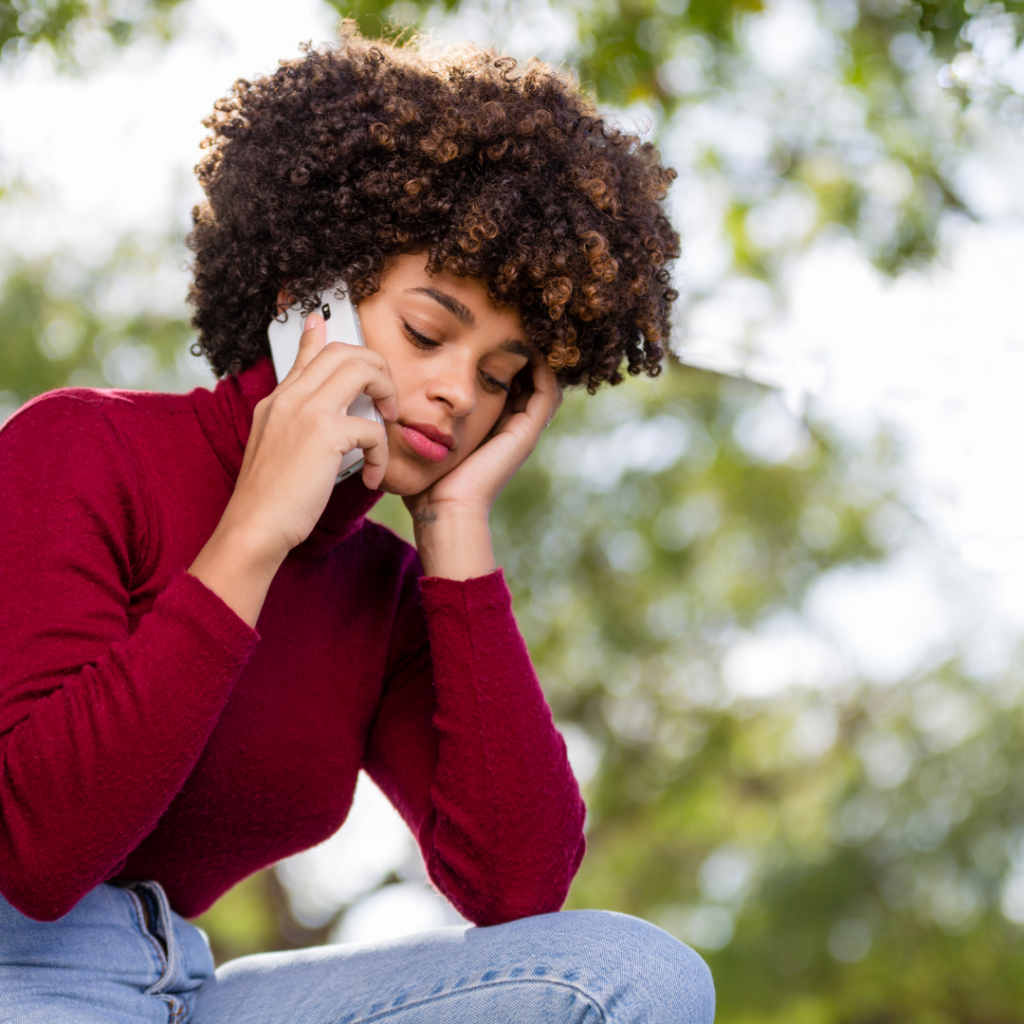
The best relationships give life. You can be your whole, authentic self with that person, and they can do the same with you. In a healthy relationship, you may feel supported and uplifted, even when life is hard.
But toxic relationships? They can chip away at your self-worth, leaving you feeling insecure, trapped, or alone.
This article breaks down what an unhealthy relationship often looks like and how you can look out for your mental and emotional wellness if you find yourself in one.
What's in this article?
What is a toxic relationship?
A toxic relationship brings you more harm than good. The effects can be physical, emotional, economic, or psychological. And it’s not limited to romantic partners. You can experience toxic dynamics with friends, family, coworkers, and even a boss.
Unhealthy relationships go beyond the occasional disagreement. They often involve repeated behaviors that can cause lasting damage.
Toxic vs. abusive relationships
While most abusive relationships are toxic, not all toxic relationships are abusive.
“In a toxic relationship, you may be able to address the issues and create a healthy, functioning partnership—if both partners want to work on it,” said April Lancit, LMFT and founder of April Lancit & Associates, a Pennsylvania-based private practice. “For example, partners can unlearn unhealthy patterns and relearn how to meet each other’s emotional needs.”
Abusive relationships, on the other hand, are often more intentional and can be harder to change.
“Abuse has the element of control,” said Lancit. “One partner carries all of the power and expects the other to follow suit. There’s often intentional behavior to cause fear, harm, violence, or intimidation.”
>> READ MORE: Mental health habits for hard seasons
7 signs of a toxic relationship
#1 Disrespect
It’s disrespectful for a partner to dismiss or invalidate your feelings or experiences. You may also receive insults or excessive criticism of the way you talk, look, or think. This repeated devaluing can erode your confidence and leave you feeling like you don’t deserve anything better—which is simply not true.
#2 Lack of communication
Healthy relationships thrive on honest, open communication. If either person withholds opinions or feelings out of fear of judgment, it can be a red flag. Similarly, you should be able to disagree without hurtful, unproductive arguments.
#3 Mistrust
A relationship where one partner has to check text messages and DMs to feel secure is a sign of mistrust. A lack of trust can kill intimacy and spark accusations, defensiveness, and constant conflict. You deserve a partnership where you’re not always defending yourself or doubting your partner.
#4 Dishonesty
Lying, even by omission, is perhaps one of the ultimate forms of disrespect. It can fuel mistrust between friends, partners, coworkers, or any other type of relationship. Instead of allowing vulnerability and a deep bond, dishonesty erects walls and pushes the two of you further apart.

#5 Control
Controlling behaviors can be subtle or overt. Maybe they guilt you into thinking everything is your fault—a common form of gaslighting. Or they dictate who you can befriend and when you can come and go. This power imbalance can rob you of your autonomy and self-confidence. You may feel broken and forced to rely solely on the decisions and wants of the other person.
#6 Isolation
Toxic partners may try to separate you from your support system, creating an “us against the world” narrative. They might discourage you from visiting loved ones or plant seeds of doubt or mistrust that can cause rifts in your other relationships. Isolation can make it difficult to spot toxicity and even harder to leave.
#7 Codependency
It’s normal to rely on each other. But reliance becomes unhealthy when it’s imbalanced—when one partner’s needs consistently overshadow the other’s. Whether you feel completely responsible for keeping them afloat or like your entire worth and identity are tied to their well-being, codependency often results in your own wellness being neglected.
How a toxic relationship impacts your mental health
The constant negativity from a toxic relationship can leave you depleted and deeply hurt. You may notice you’re constantly drained, anxious, or withdrawn from life, or like you’re always walking on eggshells.
“Your self-esteem and self-worth can suffer,” Lancit noted. “The longer you stay in an unhealthy relationship, the more severe and long-lasting the symptoms can become, possibly leading to depression or relationship PTSD. These experiences can fuel trust issues that impact future relationships.”
The toll of an unhealthy relationship is real. And while it may seem harsh to address your partner’s toxic behaviors or set healthy boundaries, know that you deserve genuine support. A person who is willing to allow you to deteriorate for their own gain needs their own space to heal.
>> LEARN MORE: Common mental health conditions in women
Can you fix a bad relationship?
In some cases, you may be able to change the trajectory of the relationship or friendship, but it takes effort on both sides.
“If your worries, concerns, or discomfort outweigh your peace and happiness, there might not be anything to recover or reconcile,” said Lancit. “But if both partners believe they can do the work to heal and unlearn harmful habits, fostering the desired connection and commitment could be possible.”
>> READ MORE: How to find a therapist for the first time
What to do if you’re in an unhealthy relationship
If you’re in an unhealthy relationship, start by having a conversation with yourself.
“Does your partner hear you? Do they take feedback without overreacting or getting angry? Are there recurring arguments that never feel resolved? This may be the time to sit and check in with each other,” said Lancit. “And if the two of you can’t find a resolution, adding the help of a professional, like a licensed marriage and family therapist, can help you determine if you can repair the relationship.”
When both parties are willing, the relationship could potentially grow into one that’s mutually beneficial. If not, it may be time to master the art of letting go, Lancit advised.
Just know that you deserve to be treated and respected like a human being. It’s okay to choose you.
And if you’re experiencing physical or verbal abuse, you can reach out for free and confidential help through the National Domestic Violence Hotline. Call 1-800-799-7233 or text “START” to 88788.
>> Subscribe to the Love Your Mind Project newsletter for weekly encouragement.
Signs of a toxic relationship FAQs
How do you know if a person is toxic?
Toxic individuals often display controlling, manipulative, or belittling behavior. They may criticize you, isolate you from loved ones, make you feel dependent on them, or make it seem like they can’t live without you. If you feel drained, devalued, or afraid, it can be a red flag.
How do you get out of a bad relationship with someone you love?
It’s difficult to leave someone you care for. But you’re also worthy of care and genuine love. Consider talking to a trusted loved one or a licensed therapist to help you gain clarity and decide the best way to move forward.
What if you don’t want to leave the relationship?
That’s okay. You don’t have to do anything you’re not ready to. Take it one small step at a time, and be kind and patient with yourself throughout the process. But, if you feel unsafe, consider reaching out for help.